
Project Overview
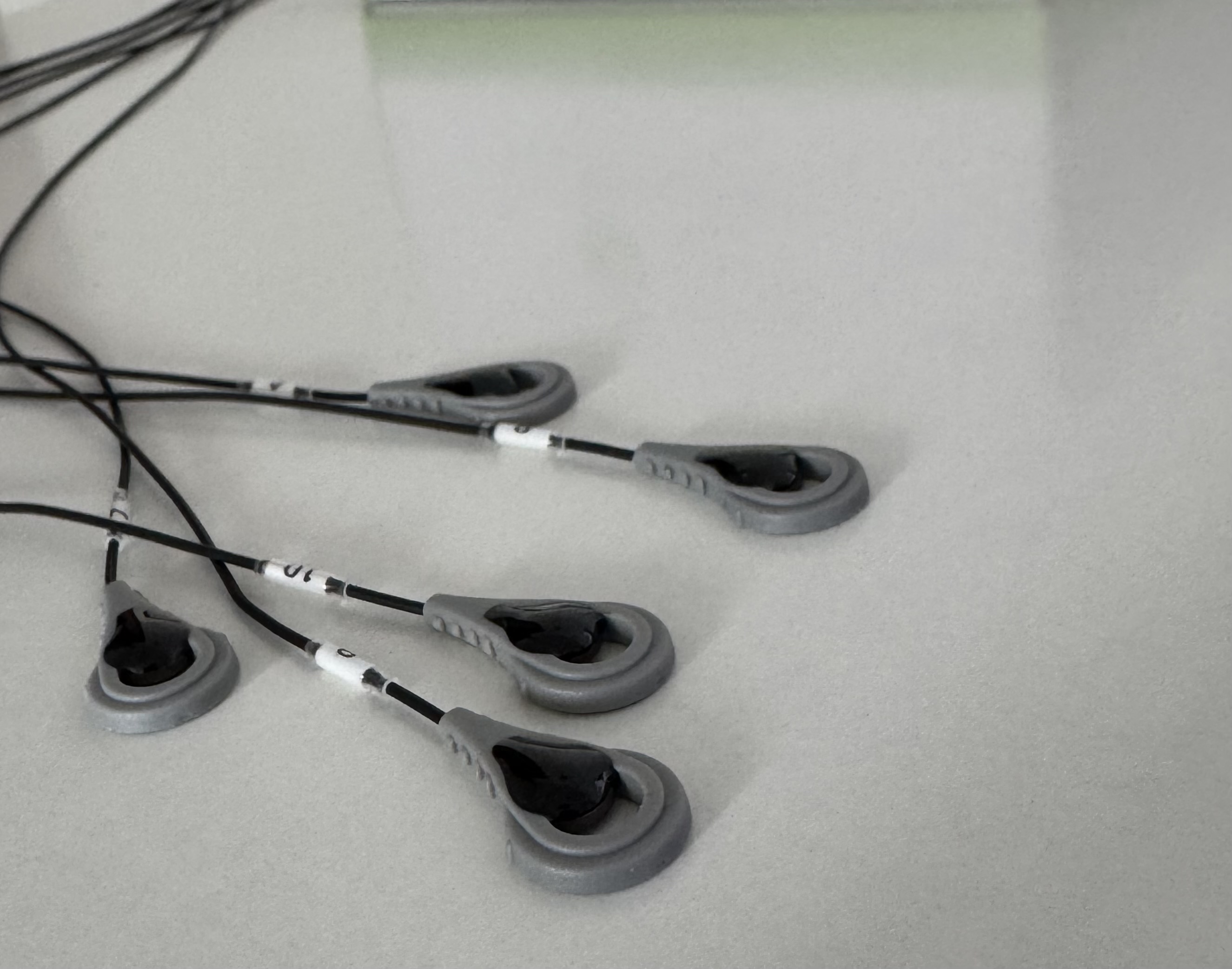
The Blink-to-Click BCI project enables hands-free computer interaction through voluntary eye blinks. It uses electrooculography (EOG) signals captured from the frontal region of the brain (Fp1 and Fp2 electrode positions) to detect intentional blinks and translate them into mouse clicks, providing an accessible input method for individuals with limited mobility or those seeking alternative control interfaces. Prolonged eye closure can be programmed to trigger various customizable actions based on personal preference, such as opening specific applications, navigating to websites, or executing user-defined commands.
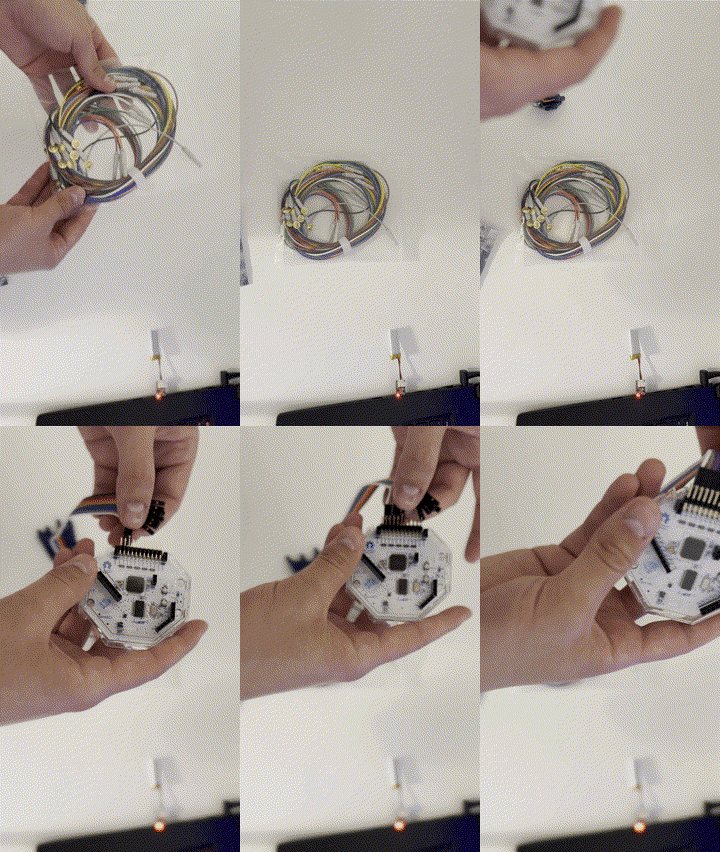
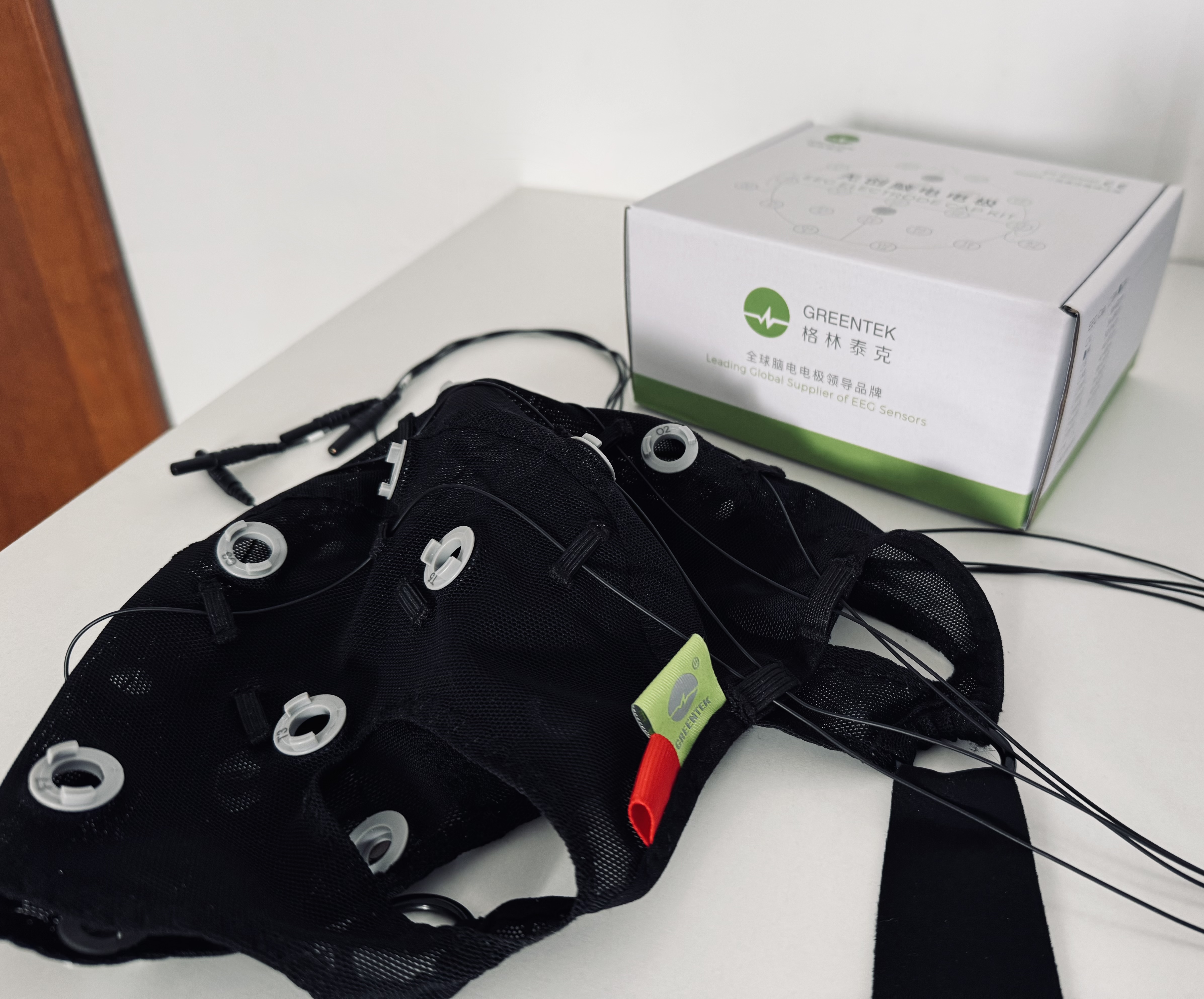
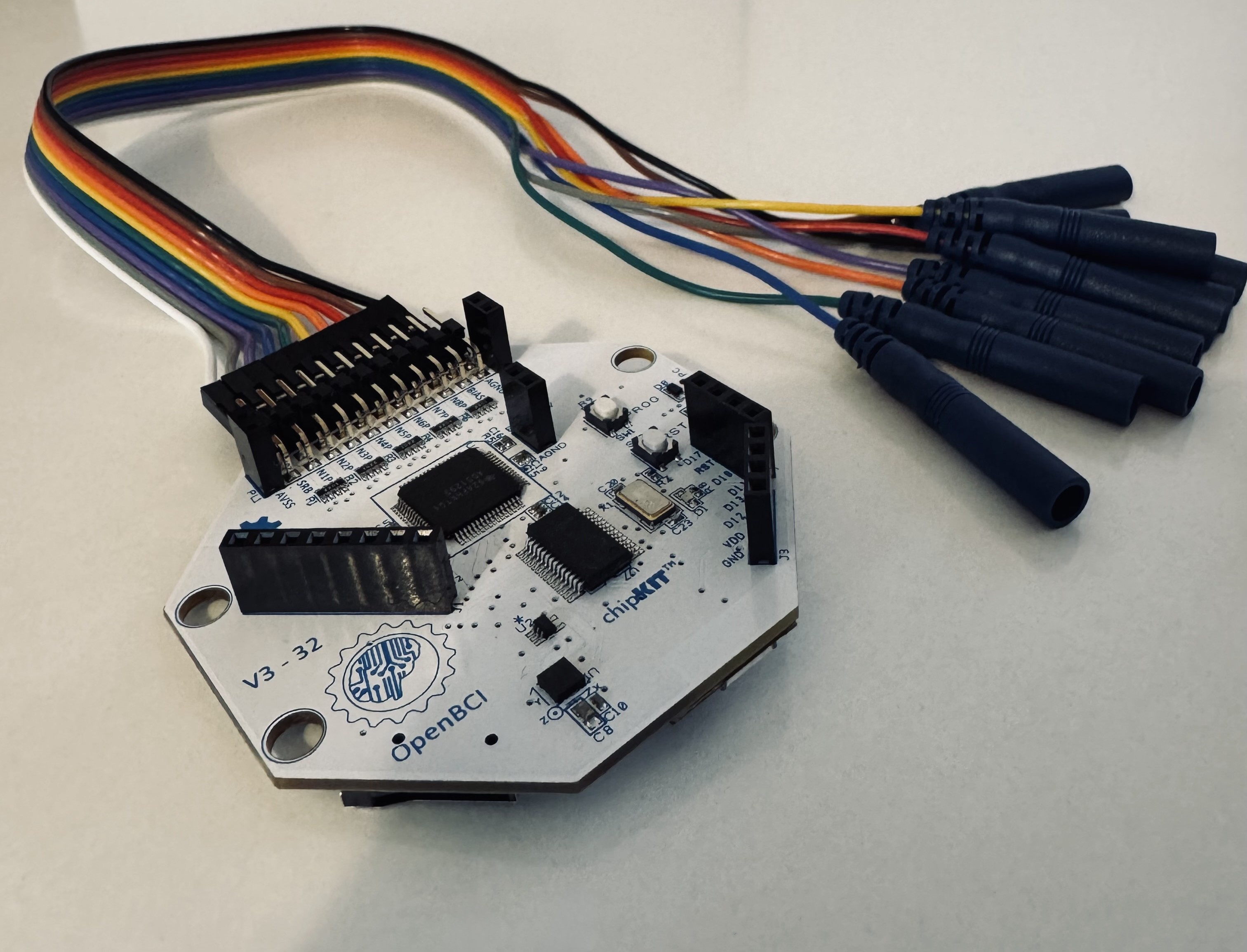
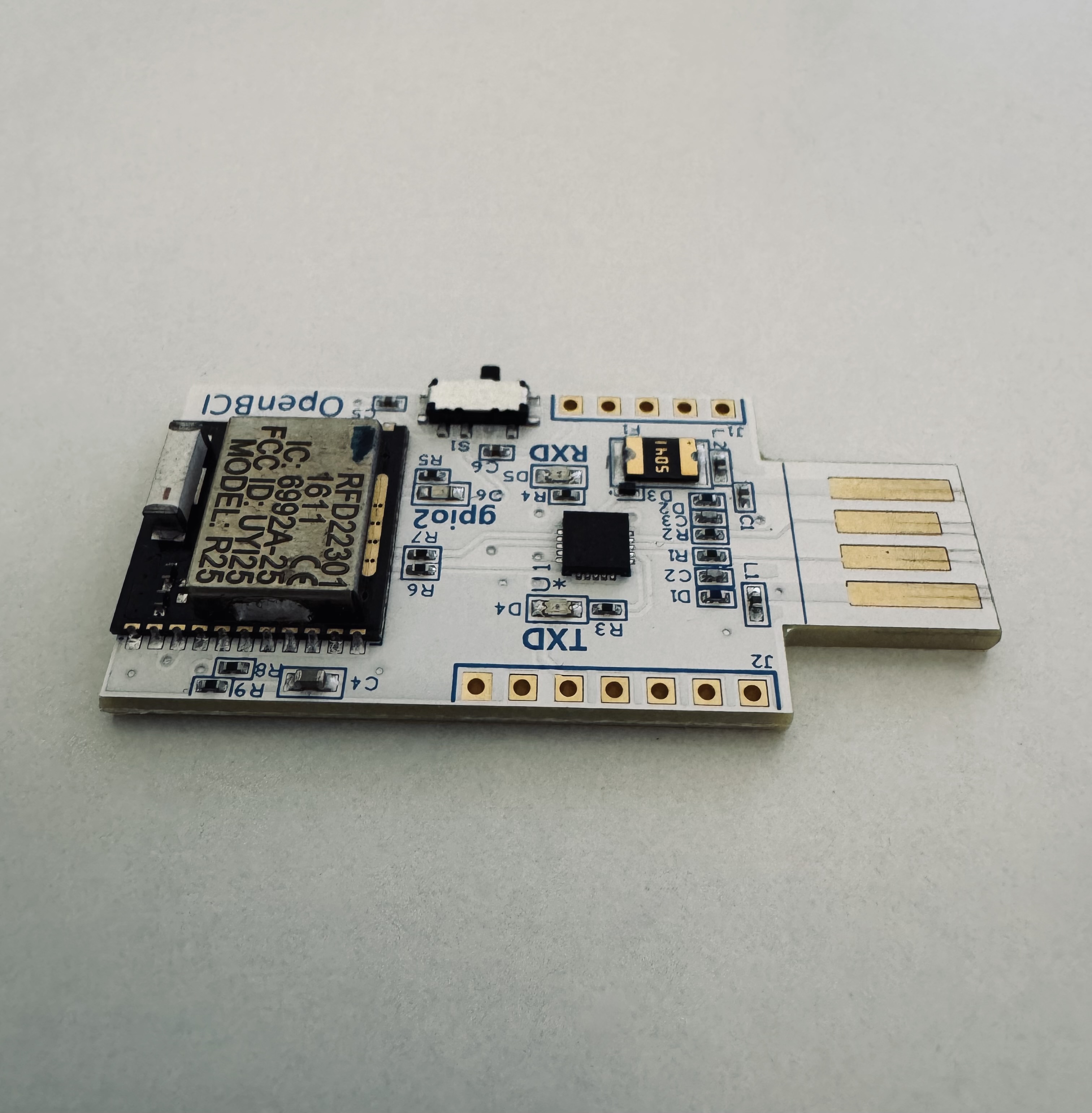
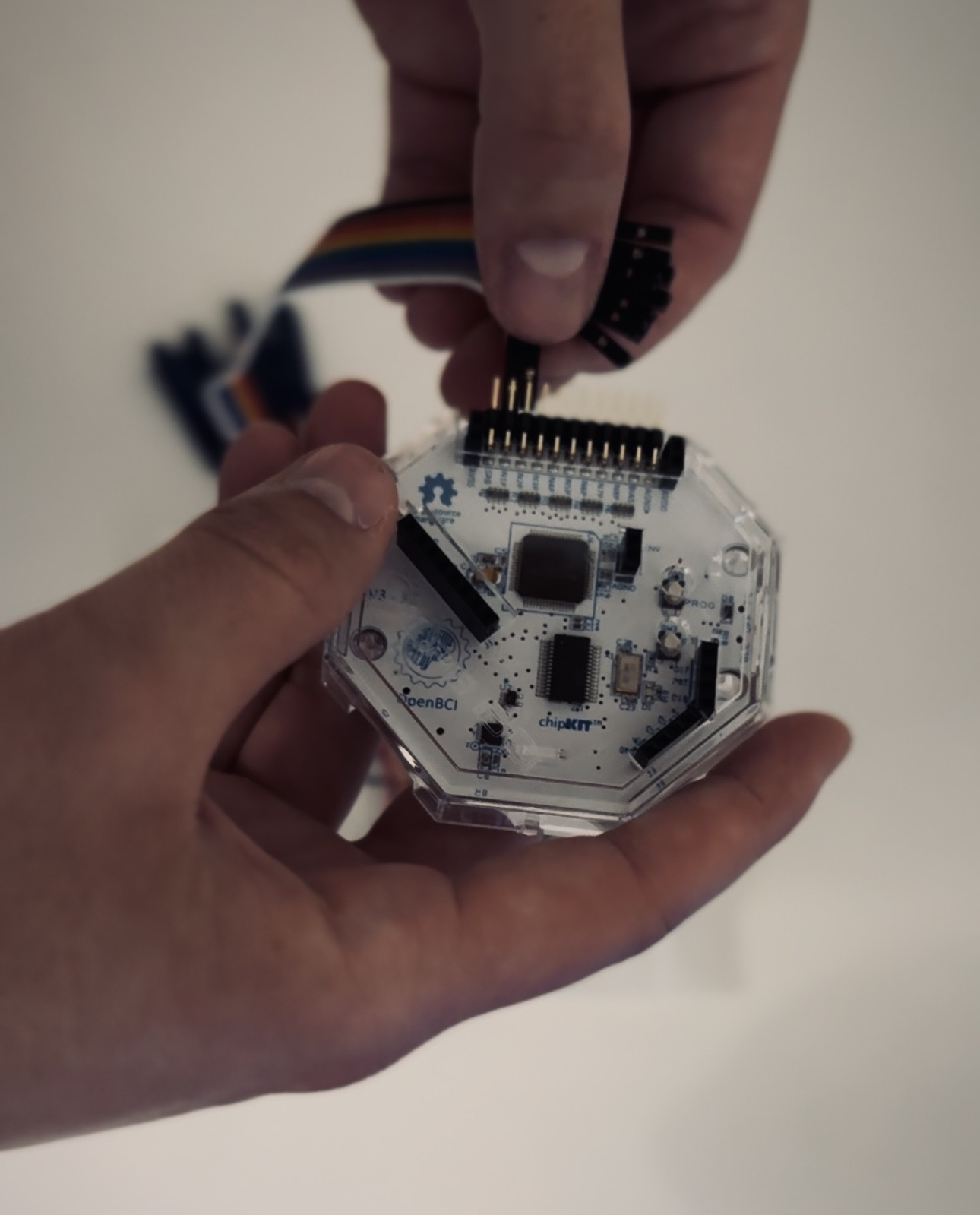
This project was made possible by the OpenBCI open-source biosensing platform and the GREENTEK GT Cap BCI. The OpenBCI Cyton board provides the foundation for accessible neurotechnology development, enabling researchers and developers worldwide to explore brain-computer interface applications. Special thanks to OpenBCI for their open-source approach to neurotechnology.
Project Budget: €1.750.
Video Demonstration
Blink detection BCI in action
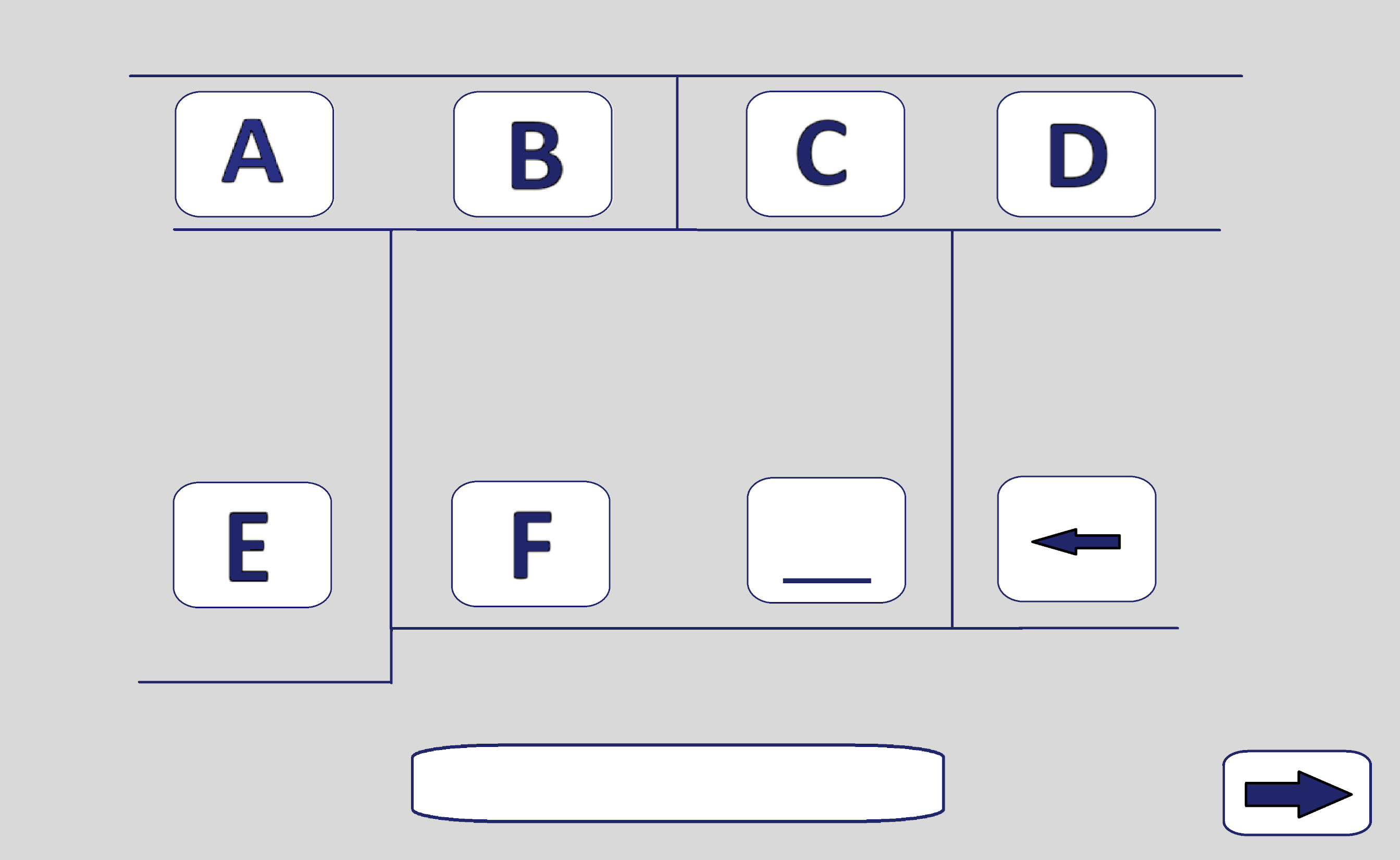
Watch as I type hands-free using computer vision eye-tracking, an EEG cap, and machine learning trained to register blinks as letter selections.
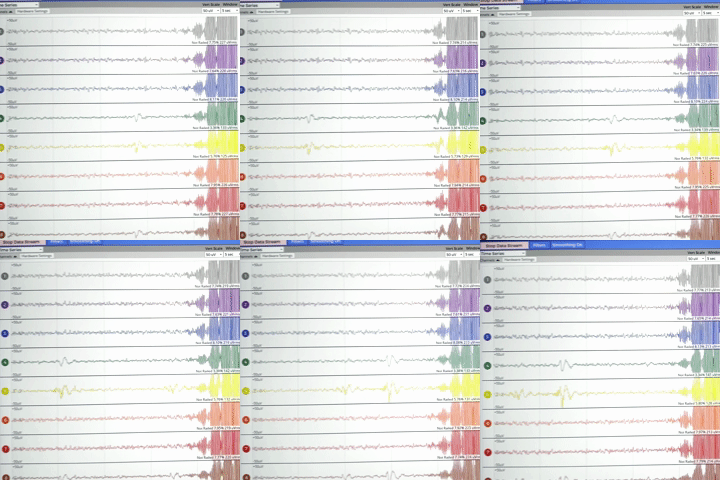
The machine learning model was trained on extensive datasets containing 8 recordings of 45 seconds each for every action type (eyes open, blink, and closed eyes) resulting in 24 total CSV datasets that ensure robust sample diversity.
Real Life Applications
Diverse real-world applications demonstrating the versatility of brain-computer interface technology
Gaming & Entertainment
Immersive gaming experiences where bioelectric signals become natural input methods for virtual reality and interactive entertainment.
Project Gallery
Visual documentation of the BCI development

Future BCI Research Projects
Exploring the frontiers of brain-computer interface technology and next-generation neural applications